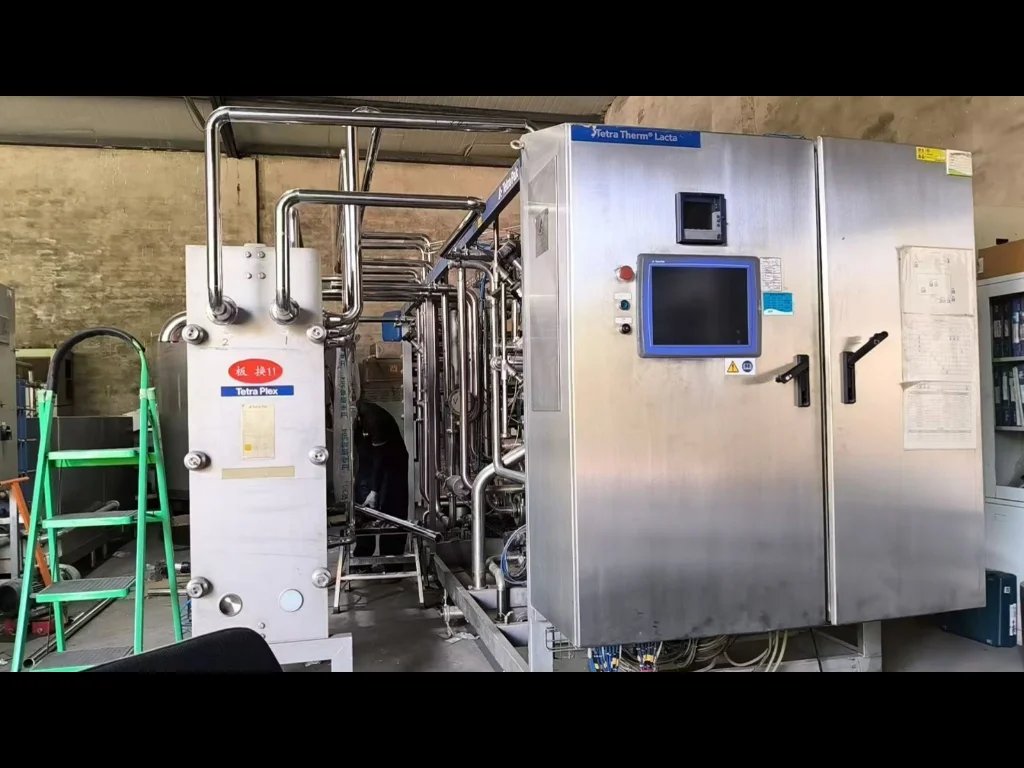
Used Tetra Pak dual-mode pasteurizer, 10 ton - Year 2014Technical
Specifications & Performance DataThe Tetra Therm Lacta pasteurizer is
designed for continuous thermal treatment in dairy processing and
beverage production. This industrial pasteurization system is
configured for yogurt and pure milk applications, supporting
controlled heat treatment before subsequent processing, filling, or
packaging operations.Model: Tetra Therm LactaYear: 2014Production
capacity: 10 tonnes/hHolding time: 285 seconds for yogurt
pasteurizationPlate heat exchanger: Tetra PlexHeat exchanger design
pressure: 10 BAR on both circuitsHeat exchanger design temperature:
150 °C on both circuitsHeat exchanger test pressure: 13 BAR on both
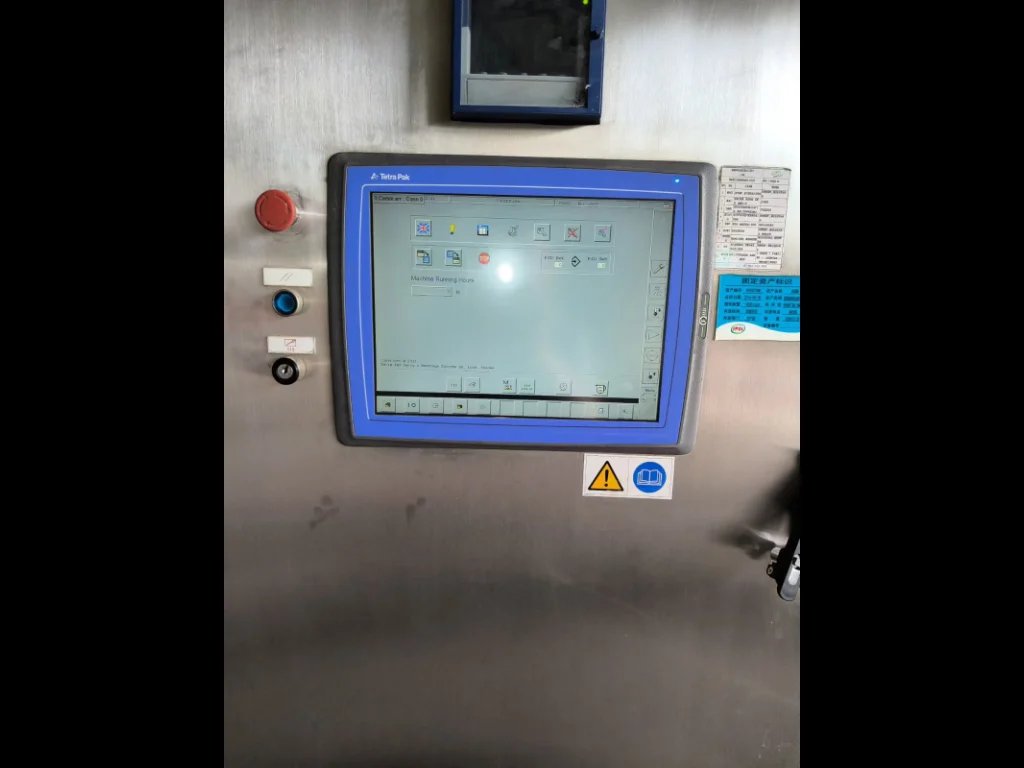
circuitsAdvanced Automation & Control SystemsThe pasteurizer is built
around a continuous thermal process in which product flow, heating and
holding stages must operate in coordinated sequence. The 285-second
holding tube provides the retention stage required for yogurt
pasteurization, helping maintain consistent process exposure before
the product continues through the line. Control and monitoring
arrangements should be integrated with the plant process system to
supervise temperature, pressure, flow and product-routing
conditions.Production Line Integration CapabilitiesThis pasteurization
equipment can be integrated into a dairy processing or industrial
packaging line upstream of filling equipment. It is suitable for
handling yogurt and pure milk within a process layout that includes
product reception, preparation, heat treatment, hygienic transfer and
downstream packaging. The plate heat exchanger supports efficient
thermal exchange in continuous processing, while the holding section
provides a dedicated pasteurization stage for yogurt production.In a
used bottling line or second hand dairy production installation,
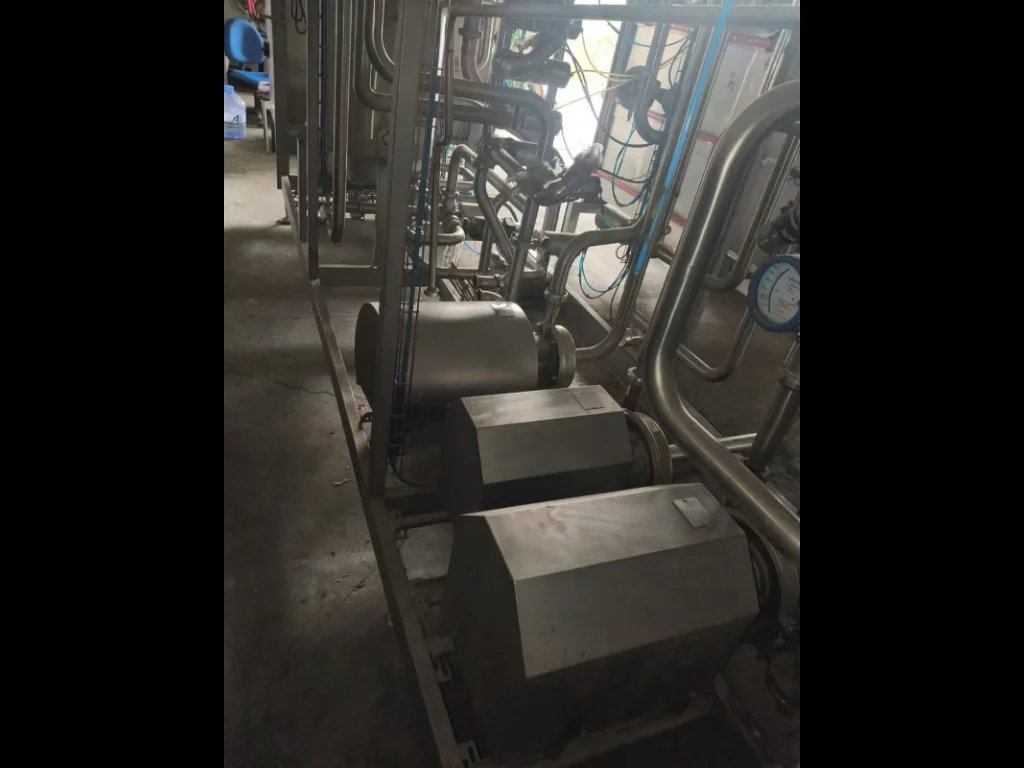
equipment of this type is typically connected to hygienic product
piping, process utilities and downstream buffer, filling or packaging
machinery. Integration planning should consider product viscosity,
cleaning procedures, piping configuration and synchronization with the
selected beverage production or food-processing line.Machine Condition
& Maintenance HistoryThe main Tetra Therm Lacta machine was originally
released from the factory in 2014. The Tetra Plex plate heat exchanger
is described as original equipment for the machine. The associated
heat-exchanger data plate identifies manufacture for Tetra Pak and
service by Tetra Pak, with a 2012 year shown on the plate.Operational
Performance & VersatilityDesigned for dairy thermal processing, this
pasteurizer supports yogurt pasteurization through its dedicated
285-second holding tube and can also be used for pure milk
pasteurization through the integrated plate heat-exchange section.
Continuous pasteurization systems are an important part of hygienic
beverage production and industrial packaging operations where stable
thermal treatment is required before filling or further processing.The
Tetra Plex plate heat exchanger is engineered for product heating and
cooling duties within the pasteurization process. Its dual-circuit
pressure and temperature ratings support controlled operation in a
process environment designed for dairy products.Installation
Requirements & Site PreparationInstallation requires a hygienic
process area with suitable product piping, utility connections and
drainage arrangements. The pasteurizer should be incorporated into a
process layout that accommodates product feed, thermal treatment,
holding time and transfer to downstream equipment. Site preparation
should also account for access around the plate heat exchanger and
holding tube for inspection, cleaning and maintenance
activities.Process connections and utility capacities should be
matched to the final line design and the required 10 tonnes/h
production capacity. Hygienic commissioning should verify pressure
integrity, thermal performance, product flow conditions and cleaning
procedures before production use.Safety Standards & Compliance
CertificationThe plate heat exchanger carries a visible warning label
and is rated for 10 BAR design pressure, 13 BAR test pressure and 150
°C design temperature on both circuits. Safe operation requires
appropriate pressure protection, controlled access to hot process
surfaces and adherence to site procedures for thermal equipment.
Operators should follow established lockout, depressurization,
cleaning and maintenance practices when servicing the pasteurization
system.





 Italia