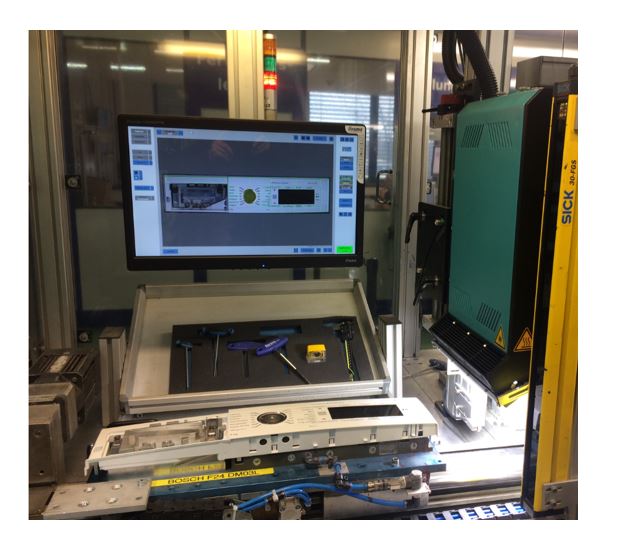
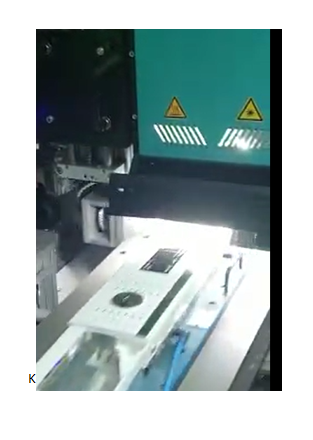
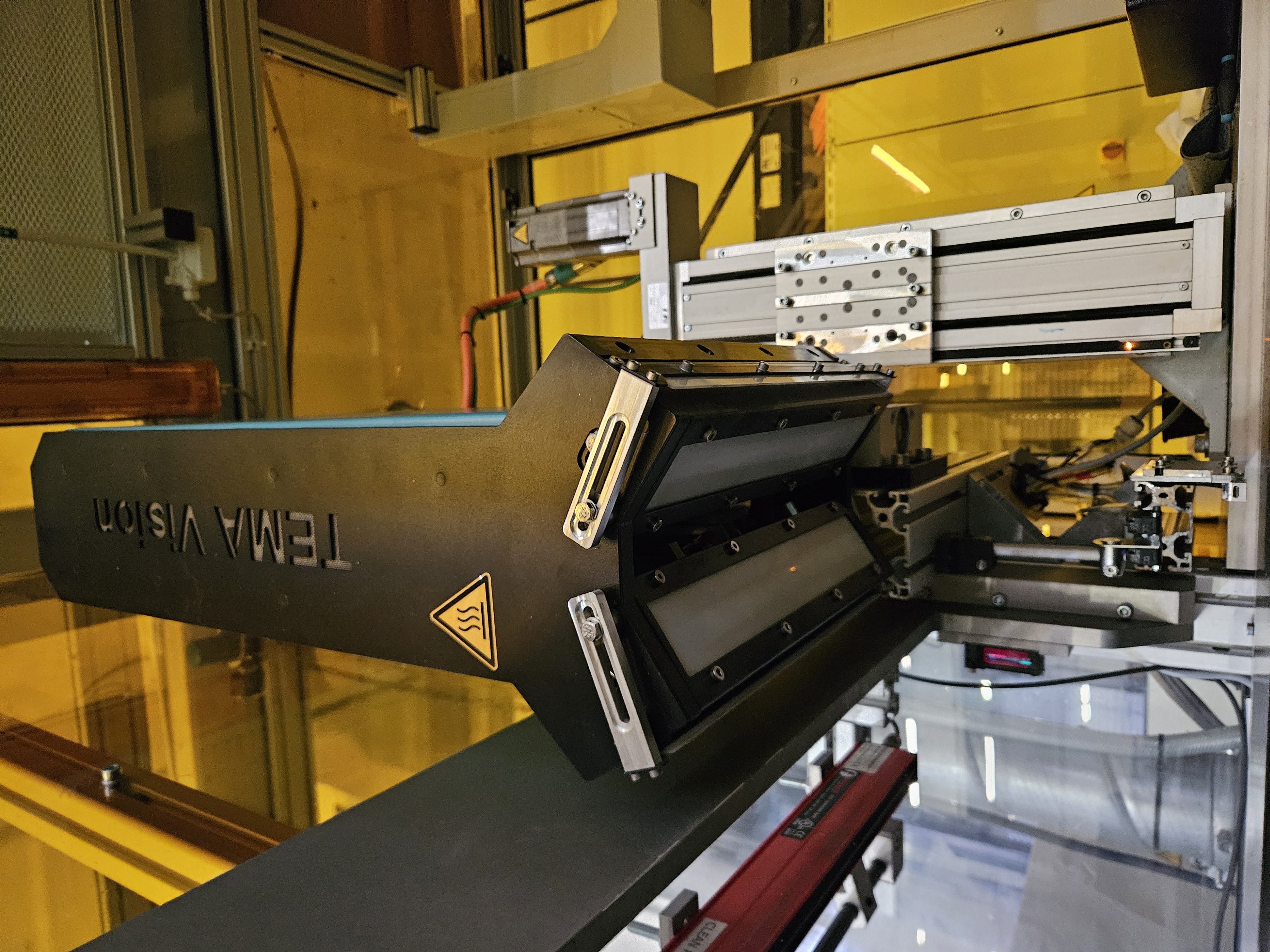
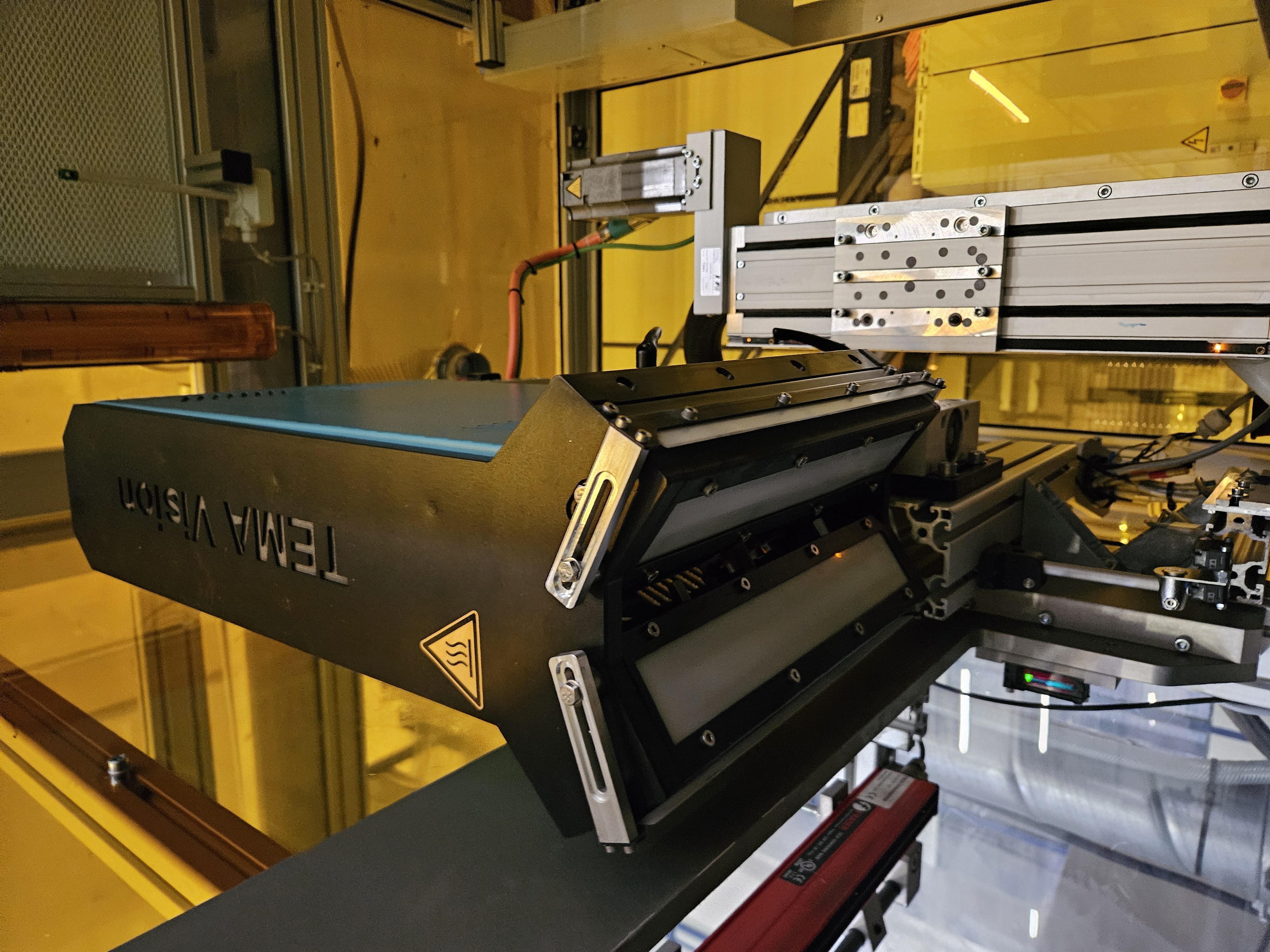
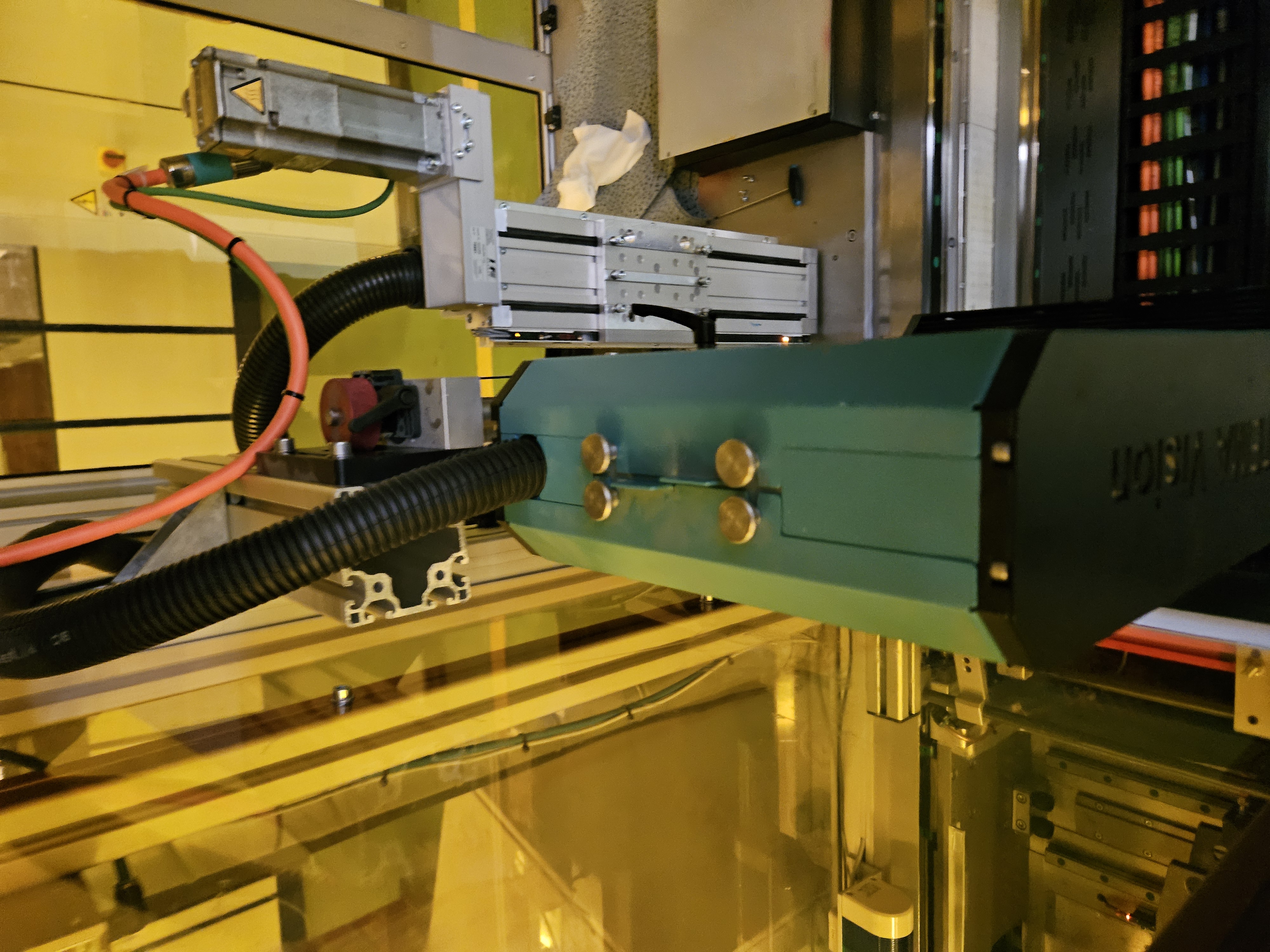
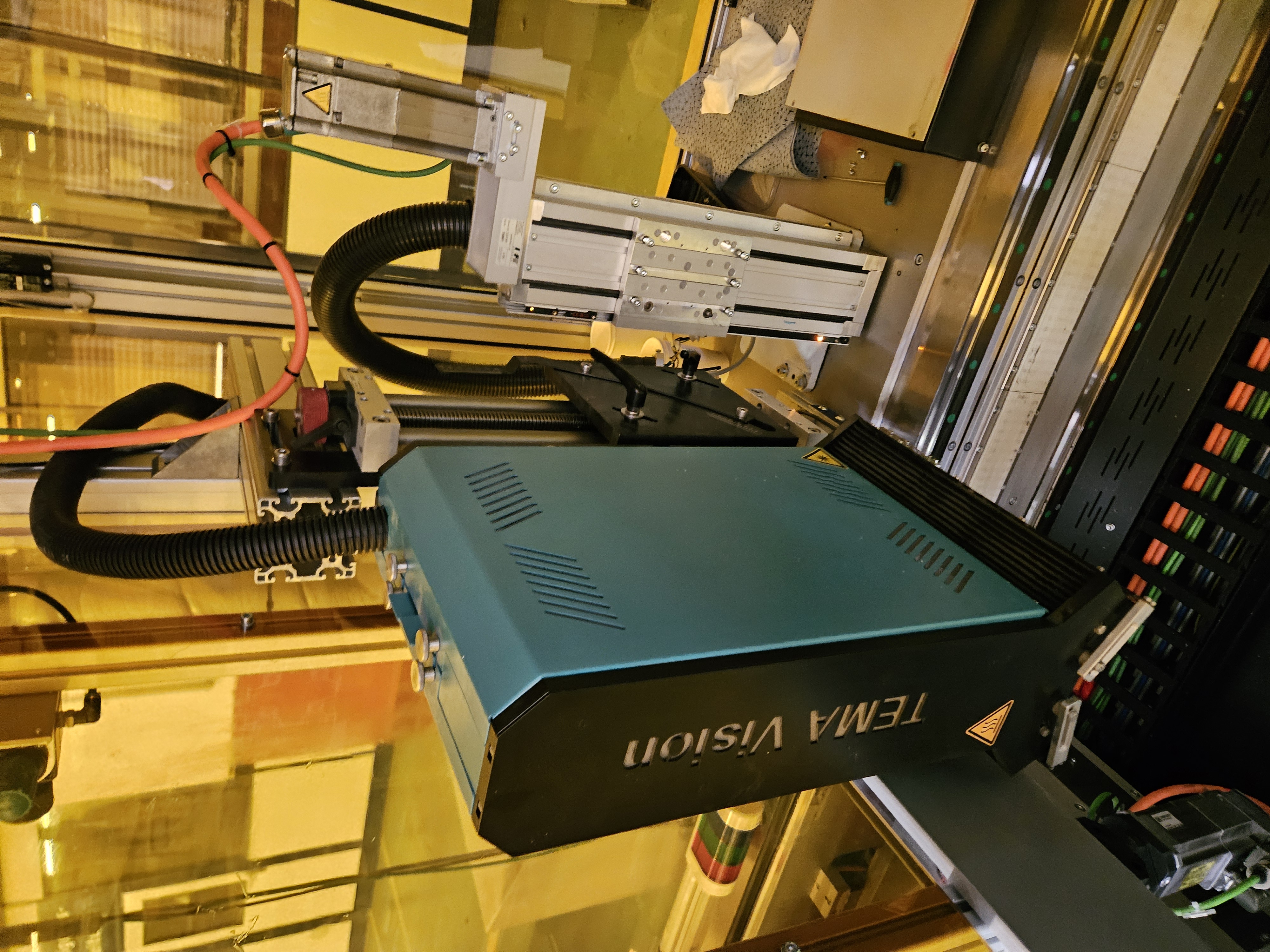
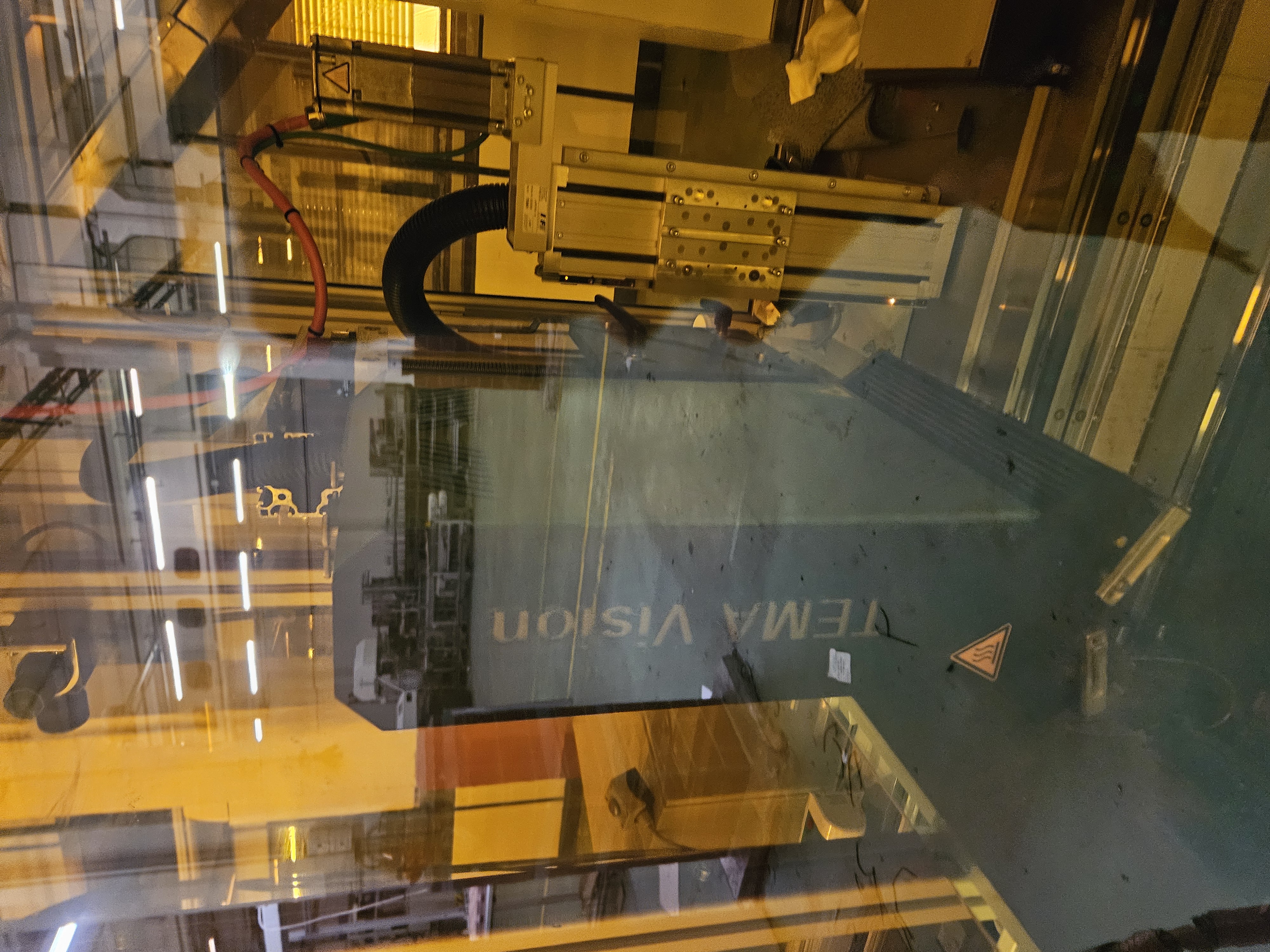
The PI-LID inspection system, including the camera used, but it
doesn´t contain specific pricing information. To find the price of
the "Prisma CCD color line camera" or other components (like the LED
lighting system or image processing computer), you would need to
consult suppliers or manufacturers specializing in industrial
inspection cameras.
You can search for similar CCD line cameras on s like:
- Vision Components
- Basler
- Teledyne DALSA
- Edmund Optics
The PI-LID (Print Inspection Lid) system is a high-speed vision
inspection system designed for the print quality inspection of lids,
cans, cups, and tubes. It is typically integrated into printing
machines and helps ensure that printed materials on these surfaces
meet quality standards.
Here’s a breakdown of the key features and how it works:
1. Purpose and Usage
- Application: It inspects the print quality on lids or cylindrical
objects like cans and tubes. The system checks for various printing
defects, such as:
- Color deviations
- Missing print or smudges
- Misaligned text or graphic elements
- Ink defects, such as bubbles, splashes, or streaks
- Industries: It is commonly used in packaging industries that require
high-quality print on their products.
2. Hardware Components
- Prisma CCD Color Line Camera: This is the primary component for
capturing high-resolution images of the printed surface. It uses a CCD
(Charge-Coupled Device) sensor to scan the object as it rotates in
front of the camera. The system captures multiple angles for a full
inspection.
- LED Lighting Unit: Provides consistent lighting to ensure accurate
color and defect detection. The lighting can be customized based on
the object material for better visual contrast during the
inspection.
- Image Processing Computer: Handles the real-time image capture,
processing, and analysis. The system compares the inspected product
against a preloaded reference image to detect deviations.
3. How It Works
- The lids or cylindrical objects pass through the system after being
printed.
- The camera captures the image of the entire surface as the object
rotates, typically requiring about 2.5 revolutions for a full
capture.
- The vision software analyzes the captured image and compares it with
a reference image to identify defects.
- If a defect is detected, a signal is sent to either mark the
defective item or stop the machine for further inspection.
4. Defect Handling
- The system can issue a rejection signal to discard faulty items
automatically.
- It can also trigger warnings or even stop the machine if critical
defects are found.
5. Software & Settings
- The system uses Windows-based software to control the camera, adjust
lighting settings, and manage inspection parameters.
- Operators can define inspection zones, set tolerances for color
deviations, and fine-tune detection criteria.
6. Benefits
- High-speed inspection: The system is built to keep up with fast
production lines, allowing for real-time quality control.
- Accurate defect detection: With its high-resolution camera and
adaptive lighting, the PI-LID system ensures that even subtle defects
are captured and flagged.
- Automation: It reduces manual inspection needs, ensuring consistent
quality while minimizing human error.
Overall, the PI-LID system is a crucial tool in maintaining print
quality on cylindrical objects in high-speed production environments,
offering precision, speed, and reliability.
Find more here - /
Contact us at -