We use cookies to optimize our website for you and to be able to continuously improve it. By continuing to browse the site you are agreeing to our use of cookies.
Disagree
Thousands of potential buyers are waiting for your machines!
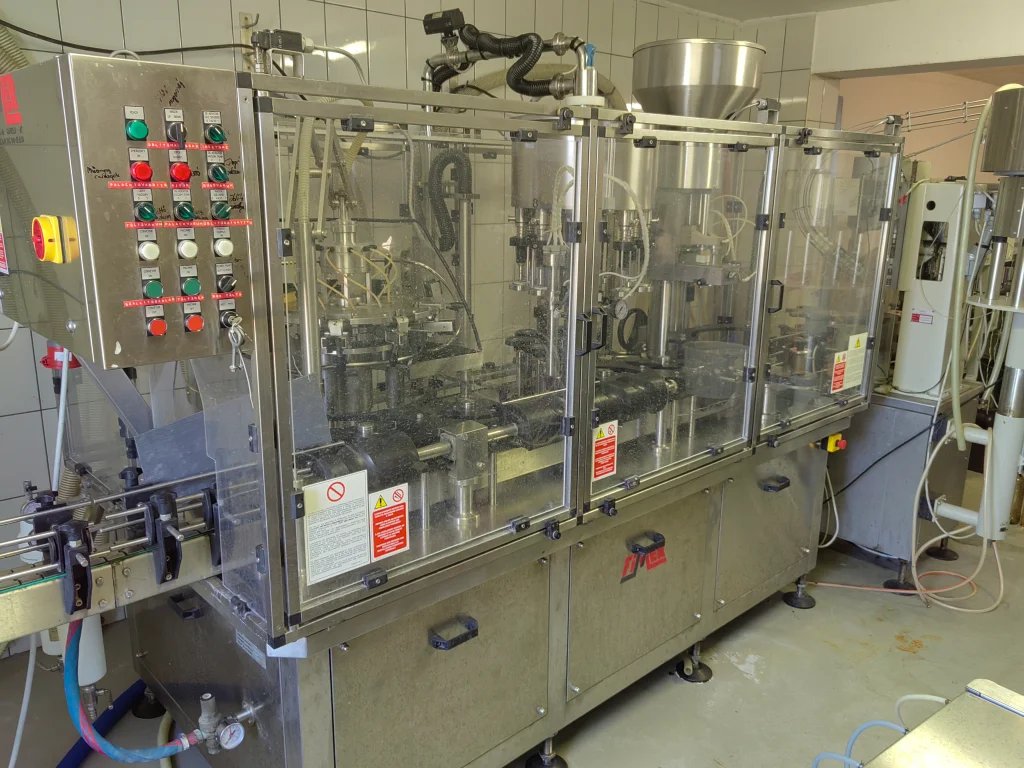
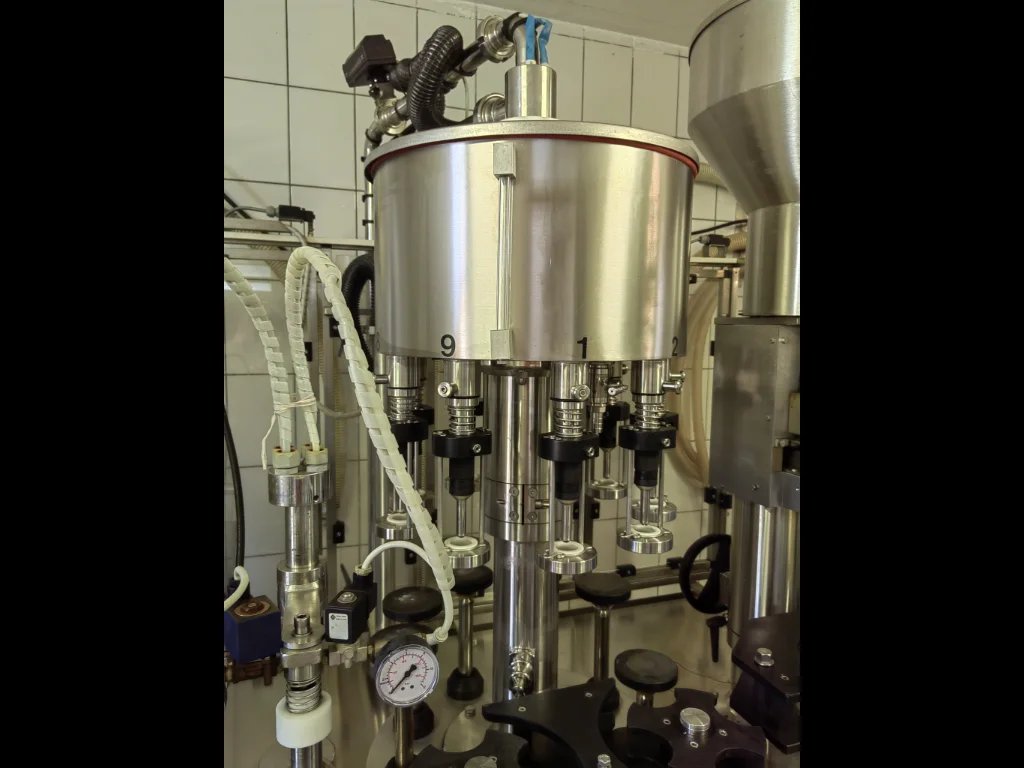
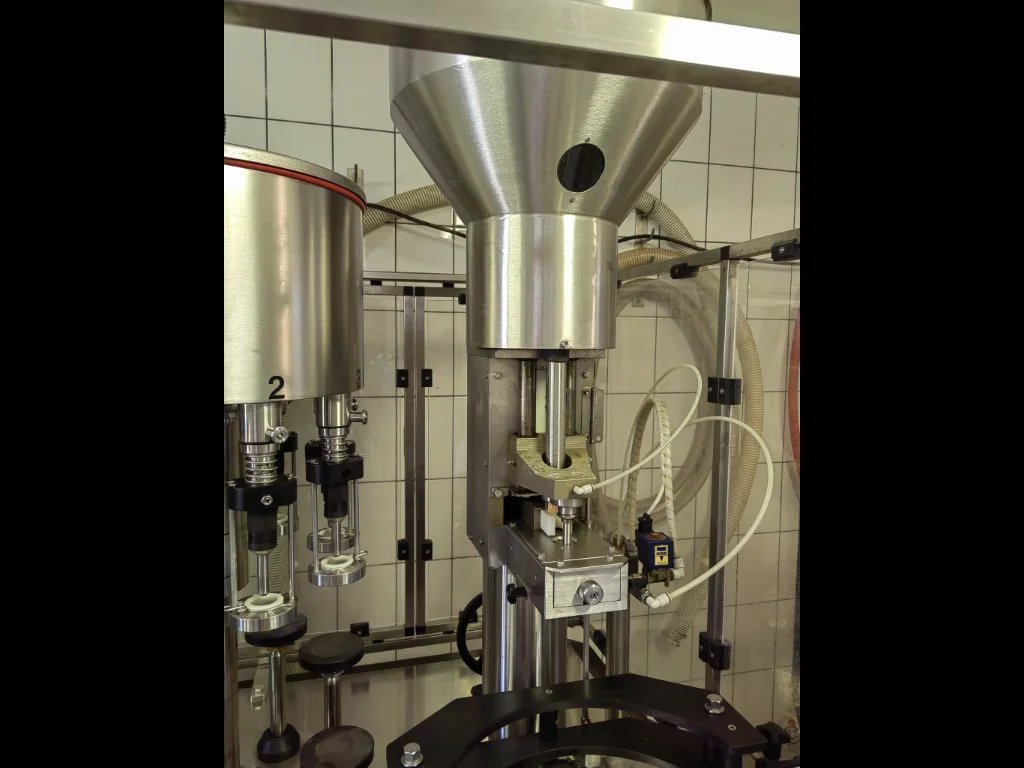
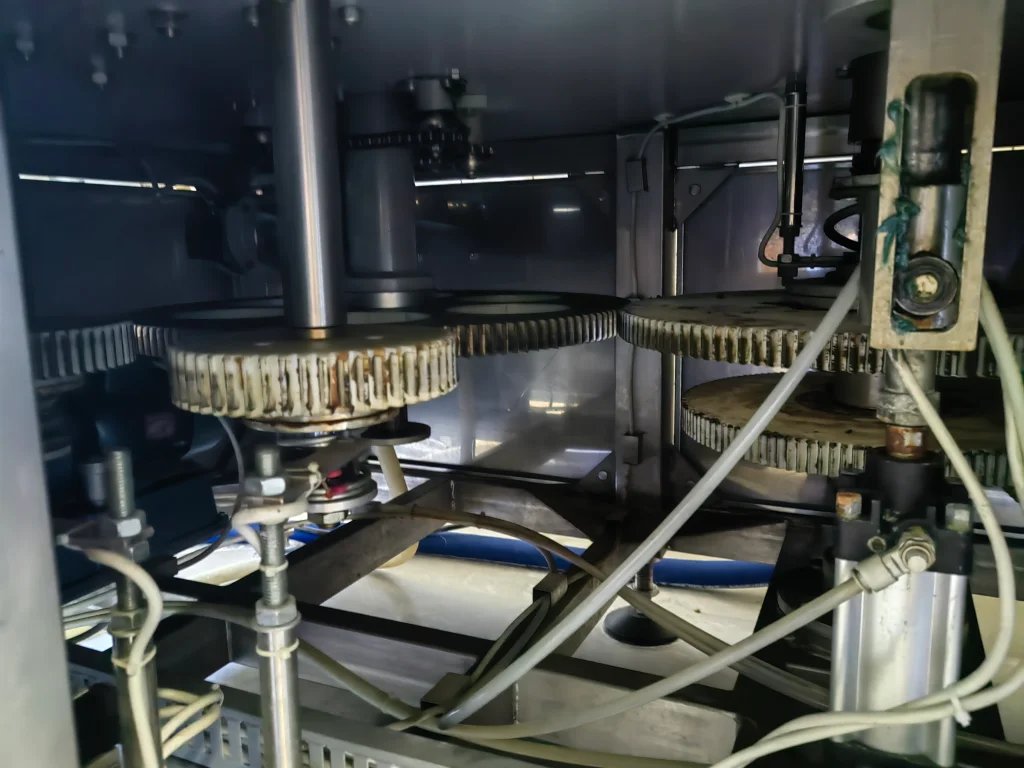
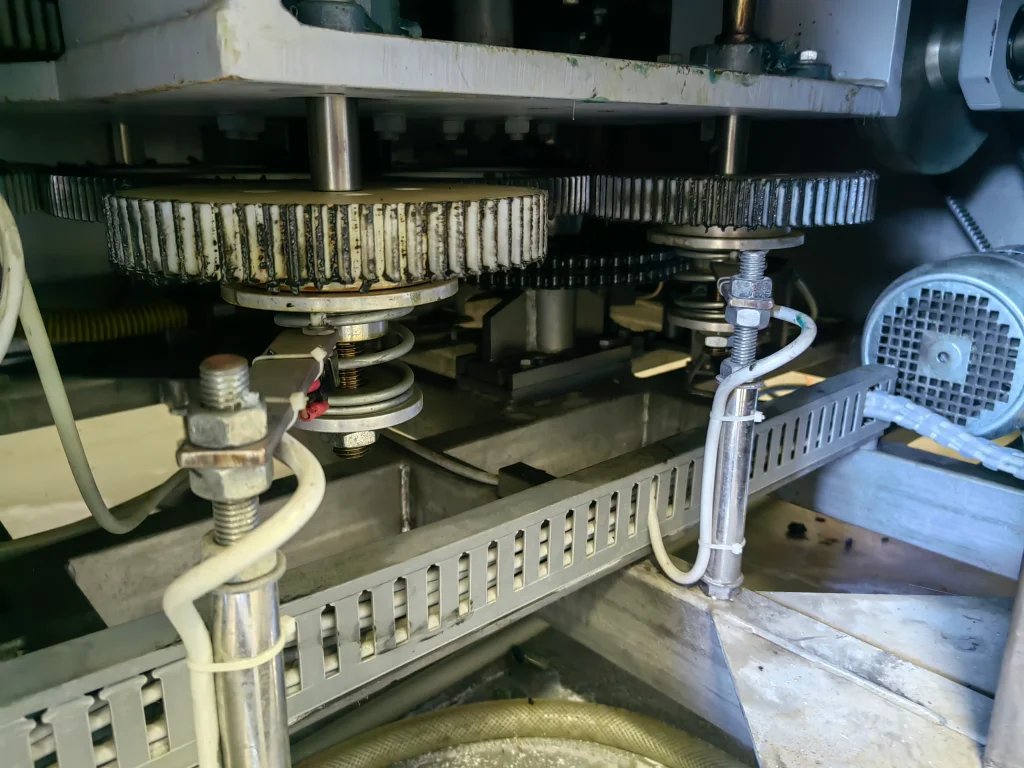
Fimer SRT 9-9-1S Filling MonoblockTechnical Specifications & Performance DataFimer SRT 9-9-1S is a used wine filling monoblock built in 1998, designed for glass wine bottles. The system combines rinsing, vacuum-assisted filling and cork capping in a compact bottling equipment configuration. Its ...
生産者: BERTOLASO
モデル:SRT 9-9-1S
機械のタイプ:Fimer Filling Monoblock
アイテム番号: 170142562
量: 1
日付: 11.09.2026
製造年: 1998
価格:
在庫のある機械:はい
Seller-item-No.:M351
Fimer SRT 9-9-1S Filling MonoblockTechnical Specifications &
Performance DataFimer SRT 9-9-1S is a used wine filling monoblock
built in 1998, designed for glass wine bottles. The system combines
rinsing, vacuum-assisted filling and cork capping in a compact
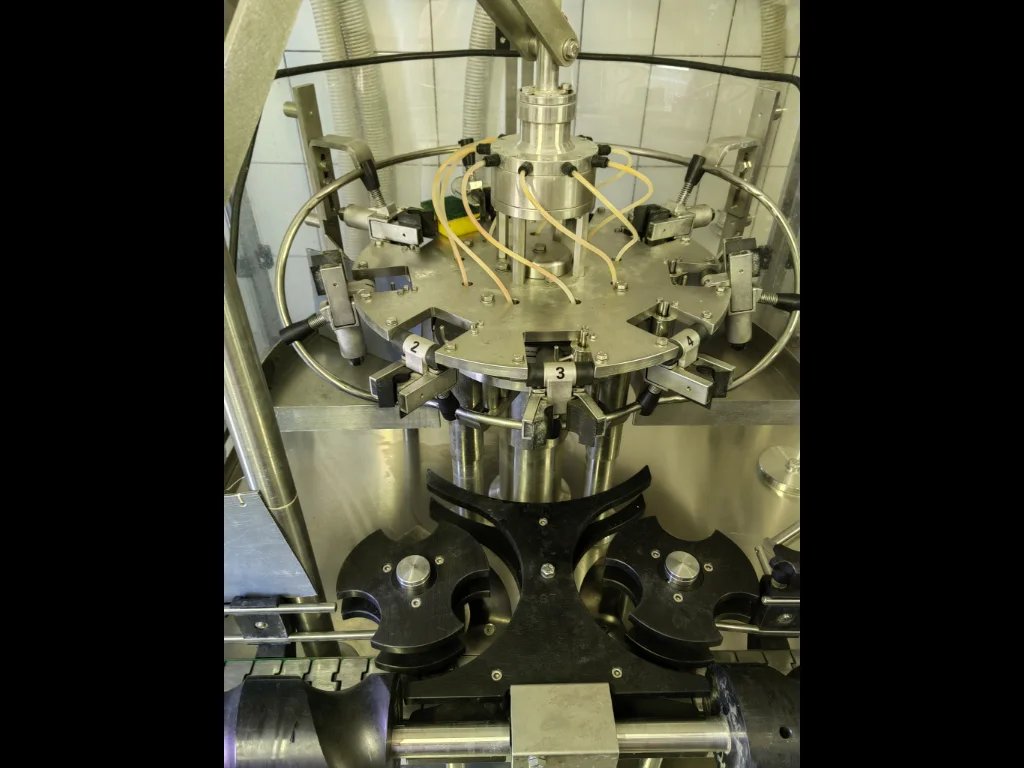
bottling equipment configuration. Its filler is equipped with 9
filling valves assisted by a vacuum pump, while the integrated rinser
includes two water-filtration units.Manufacturer: FimerModel: SRT
9-9-1SYear: 1998Speed: 1.800 BPH on 0,75L Format.Filling
configuration: 9-valve filler with vacuum pump assistanceIntegrated
functions: rinsing, bottle evacuation, inert-gas injection, filling
and cork cappingCompatible formats: Burgundy bottles in 0.375L and
0.75L; Bordeaux bottles in 0.5L, 0.75L and 1.5LContainer material:
glassIncluded: a standalone double cartridge filtration group, two
316L stainless steel housings, three 30-inch filter cartridges total
of 6 cartidges.Advanced Automation & Control SystemsThe filling
monoblock has manual speed adjustment for controlled operation within
a wine bottling and industrial packaging process. Bottle preparation
includes air evacuation by vacuum followed by inert-gas injection
before filling, helping reduce air exposure during the filling cycle.
The filling section is supported by a vacuum pump, and the integrated
cork capping unit performs vacuum operation before capping.The
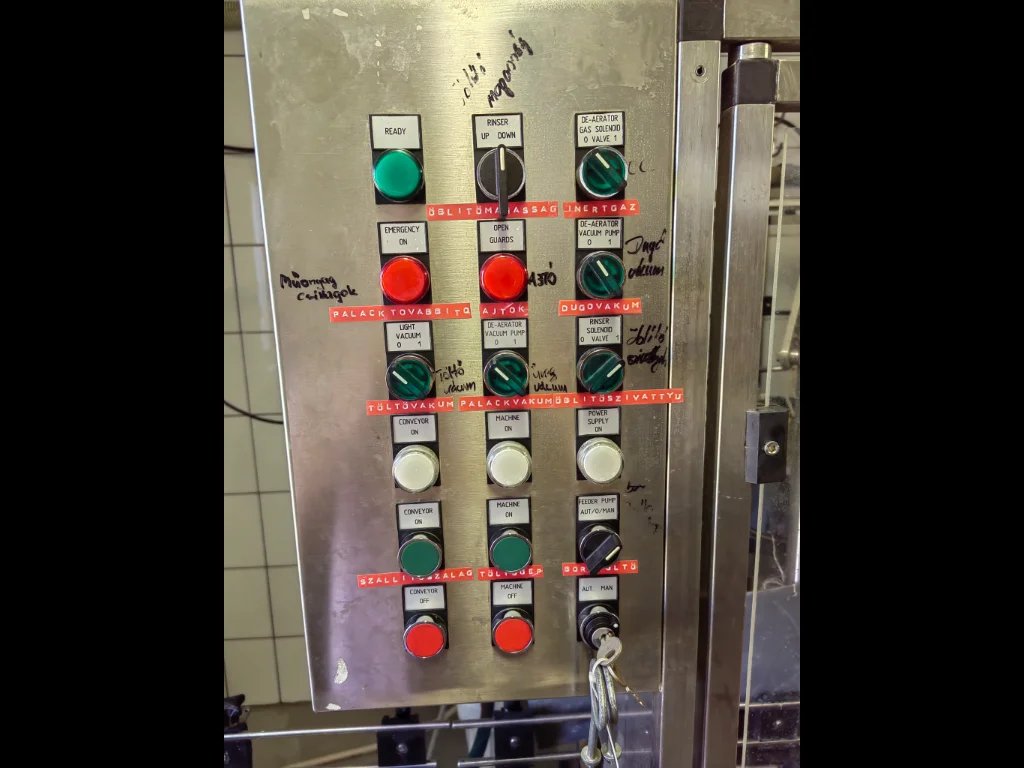
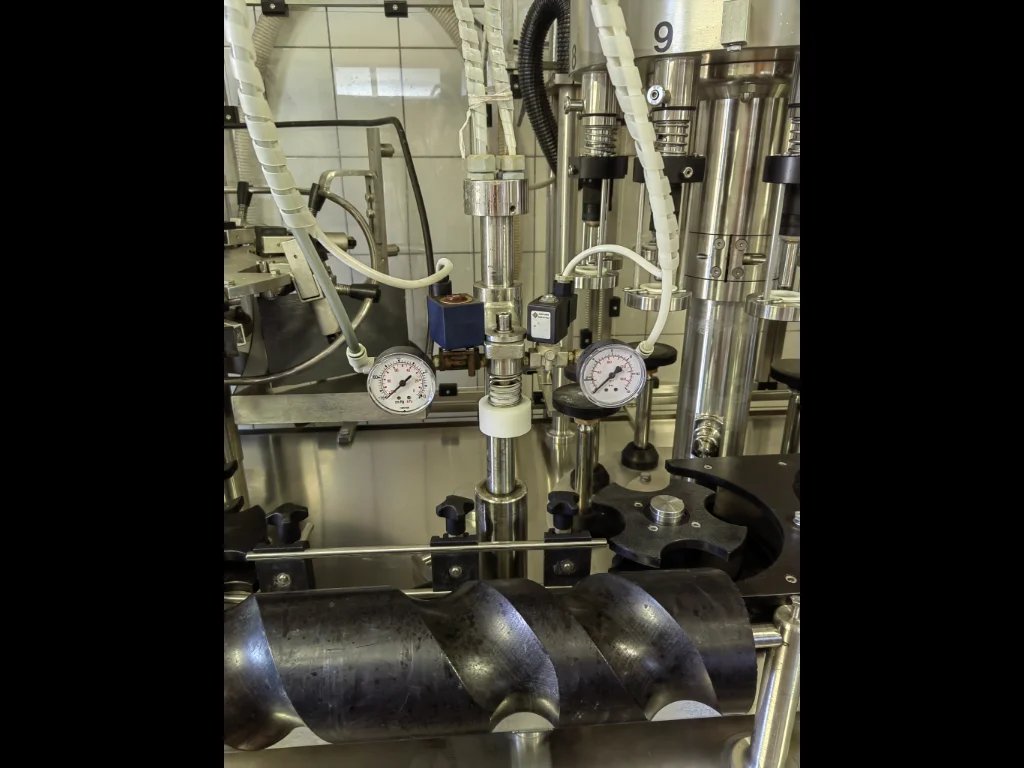
enclosed Fimer machine configuration includes a control enclosure,
operating controls, pressure gauges and pneumatic regulation
components. Transparent safety guarding surrounds the operating area
and provides visibility of the filling and capping section during
operation.Production Line Integration CapabilitiesThis second hand
filling monoblock can operate as the central processing machine of a
used bottling line for wine production. It accepts Burgundy and
Bordeaux glass bottle formats, allowing a producer to run several
common wine bottle sizes on the same installation with the appropriate
format setup.An inline Bertolaso VD5N screw capper is included for
conveyor integration with the main line. This unit has manual speed
adjustment, one capping head for 30x60 screw caps, and is supplied
with a cap hopper and cap orienter. The Bertolaso capper was rebuilt
or modified in 2007 and can be connected inline by conveyor with the
Fimer monoblock.A standalone double cartridge filtration group is also
included. It uses two 316L stainless steel housings, each designed for
three 30-inch filter cartridges, for a total of six cartridges. The
filtration group can be sold inline with the bottling equipment or
separately.Machine Condition & Maintenance HistoryThis used Fimer wine
filling monoblock is dismantled and in storage. The equipment package
includes the integrated rinsing, filling and cork capping functions,
together with the Bertolaso VD5N screw capper and the double cartridge
filtration group. The Bertolaso screw capper has documented rebuilding
or modification work completed in 2007.Operational Performance &
VersatilityThe machine is intended for wine production in glass
bottles. Its vacuum and inert-gas bottle preparation process,
vacuum-assisted filling valves and vacuum-before-capping function make
it suitable for bottling operations where controlled handling prior to
closure is required. The integrated cork capper supports cork-closed
bottles, while the separate Bertolaso unit extends the line with
screw-cap application capability for 30x60 closures.Installation
Requirements & Site PreparationInstallation requires a prepared
bottling area capable of accommodating the monoblock, its product and
bottle conveyors, the vacuum pump arrangement, the integrated rinsing
section and the associated filtration equipment. The Bertolaso VD5N
capper can be installed inline by conveyor. Site planning should
provide access for bottle infeed and discharge, cap supply to the
hopper and orienter, process-water handling for rinsing, and space for
routine cleaning and servicing.Safety Standards & Compliance
CertificationThe Fimer machine is fitted with transparent protective
guarding around the operating area, safety warning decals, interlocked
guard doors and an emergency-stop control. These features support
operator protection around moving filling, capping and conveyor
components. Safe commissioning should include verification of guard
operation, emergency-stop functionality, pneumatic connections and all
line interfaces before production use.
Fimer SRT 9-9-1S Filling MonoblockTechnical Specifications &
Performance DataFimer SRT 9-9-1S is a used wine filling monoblock
built in 1998, designed for glass wine bottles. The system combines
rinsing, vacuum-assisted filling and cork capping in a compact
bottling equipment configuration. Its filler is equipped with 9
filling valves assisted by a vacuum pump, while the integrated rinser
includes two water-filtration units.Manufacturer: FimerModel: SRT
9-9-1SYear: 1998Speed: 1.800 BPH on 0,75L Format.Filling
configuration: 9-valve filler with vacuum pump assistanceIntegrated
functions: rinsing, bottle evacuation, inert-gas injection, filling
and cork cappingCompatible formats: Burgundy bottles in 0.375L and
0.75L; Bordeaux bottles in 0.5L, 0.75L and 1.5LContainer material:
glassIncluded: a standalone double cartridge filtration group, two
316L stainless steel housings, three 30-inch filter cartridges total
of 6 cartidges.Advanced Automation & Control SystemsThe filling
monoblock has manual speed adjustment for controlled operation within
a wine bottling and industrial packaging process. Bottle preparation
includes air evacuation by vacuum followed by inert-gas injection
before filling, helping reduce air exposure during the filling cycle.
The filling section is supported by a vacuum pump, and the integrated
cork capping unit performs vacuum operation before capping.The
enclosed Fimer machine configuration includes a control enclosure,
operating controls, pressure gauges and pneumatic regulation
components. Transparent safety guarding surrounds the operating area
and provides visibility of the filling and capping section during
operation.Production Line Integration CapabilitiesThis second hand
filling monoblock can operate as the central processing machine of a
used bottling line for wine production. It accepts Burgundy and
Bordeaux glass bottle formats, allowing a producer to run several
common wine bottle sizes on the same installation with the appropriate
format setup.An inline Bertolaso VD5N screw capper is included for
conveyor integration with the main line. This unit has manual speed
adjustment, one capping head for 30x60 screw caps, and is supplied
with a cap hopper and cap orienter. The Bertolaso capper was rebuilt
or modified in 2007 and can be connected inline by conveyor with the
Fimer monoblock.A standalone double cartridge filtration group is also
included. It uses two 316L stainless steel housings, each designed for
three 30-inch filter cartridges, for a total of six cartridges. The
filtration group can be sold inline with the bottling equipment or
separately.Machine Condition & Maintenance HistoryThis used Fimer wine
filling monoblock is dismantled and in storage. The equipment package
includes the integrated rinsing, filling and cork capping functions,
together with the Bertolaso VD5N screw capper and the double cartridge
filtration group. The Bertolaso screw capper has documented rebuilding
or modification work completed in 2007.Operational Performance &
VersatilityThe machine is intended for wine production in glass
bottles. Its vacuum and inert-gas bottle preparation process,
vacuum-assisted filling valves and vacuum-before-capping function make
it suitable for bottling operations where controlled handling prior to
closure is required. The integrated cork capper supports cork-closed
bottles, while the separate Bertolaso unit extends the line with
screw-cap application capability for 30x60 closures.Installation
Requirements & Site PreparationInstallation requires a prepared
bottling area capable of accommodating the monoblock, its product and
bottle conveyors, the vacuum pump arrangement, the integrated rinsing
section and the associated filtration equipment. The Bertolaso VD5N
capper can be installed inline by conveyor. Site planning should
provide access for bottle infeed and discharge, cap supply to the
hopper and orienter, process-water handling for rinsing, and space for
routine cleaning and servicing.Safety Standards & Compliance
CertificationThe Fimer machine is fitted with transparent protective
guarding around the operating area, safety warning decals, interlocked
guard doors and an emergency-stop control. These features support
operator protection around moving filling, capping and conveyor
components. Safe commissioning should include verification of guard
operation, emergency-stop functionality, pneumatic connections and all
line interfaces before production use. seller offer No. resale M351